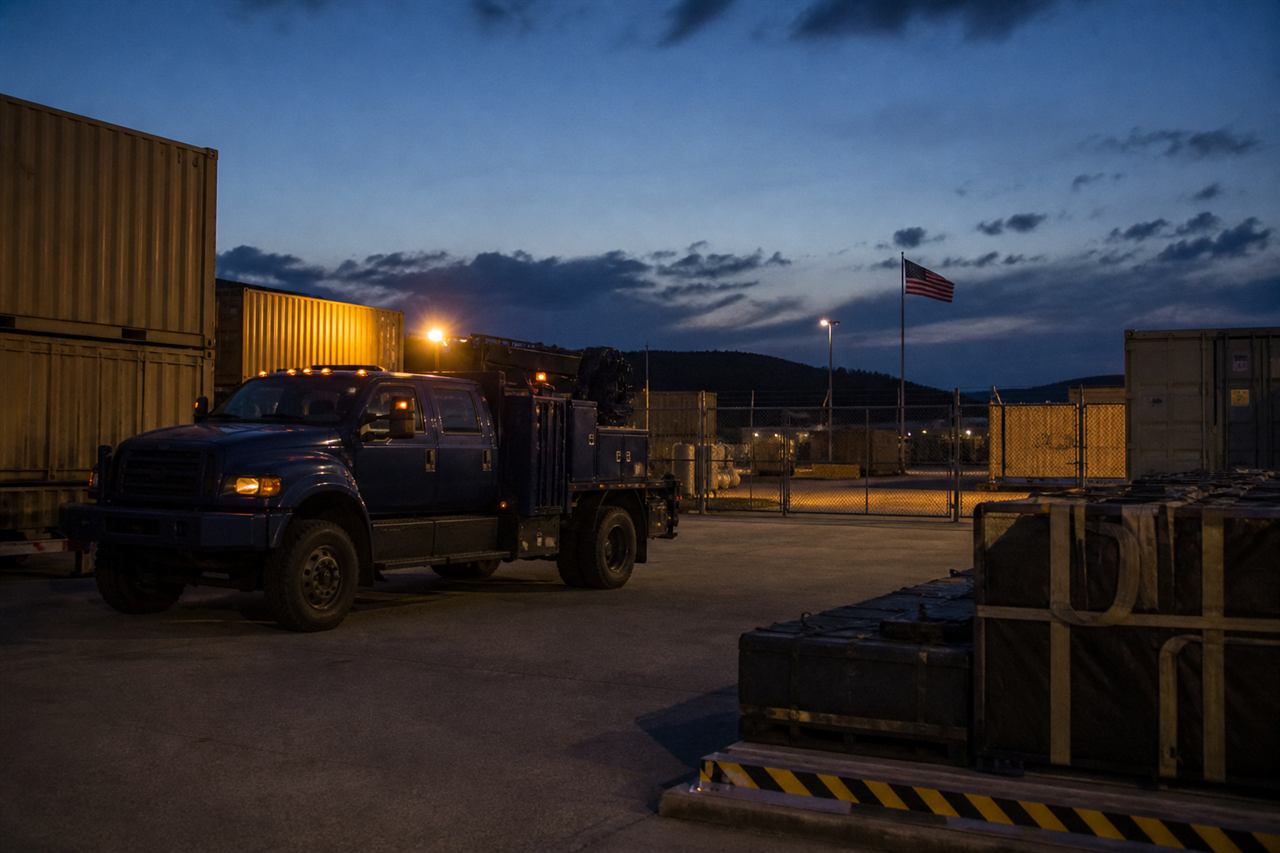
Approach & Turning Radius
- 50 ft straight approach for heavy front-load collection iron.
- 14 ft overhead clearance free of low wires and canopy roofs.
- 12 ft minimum width for pad gates and access alleys.
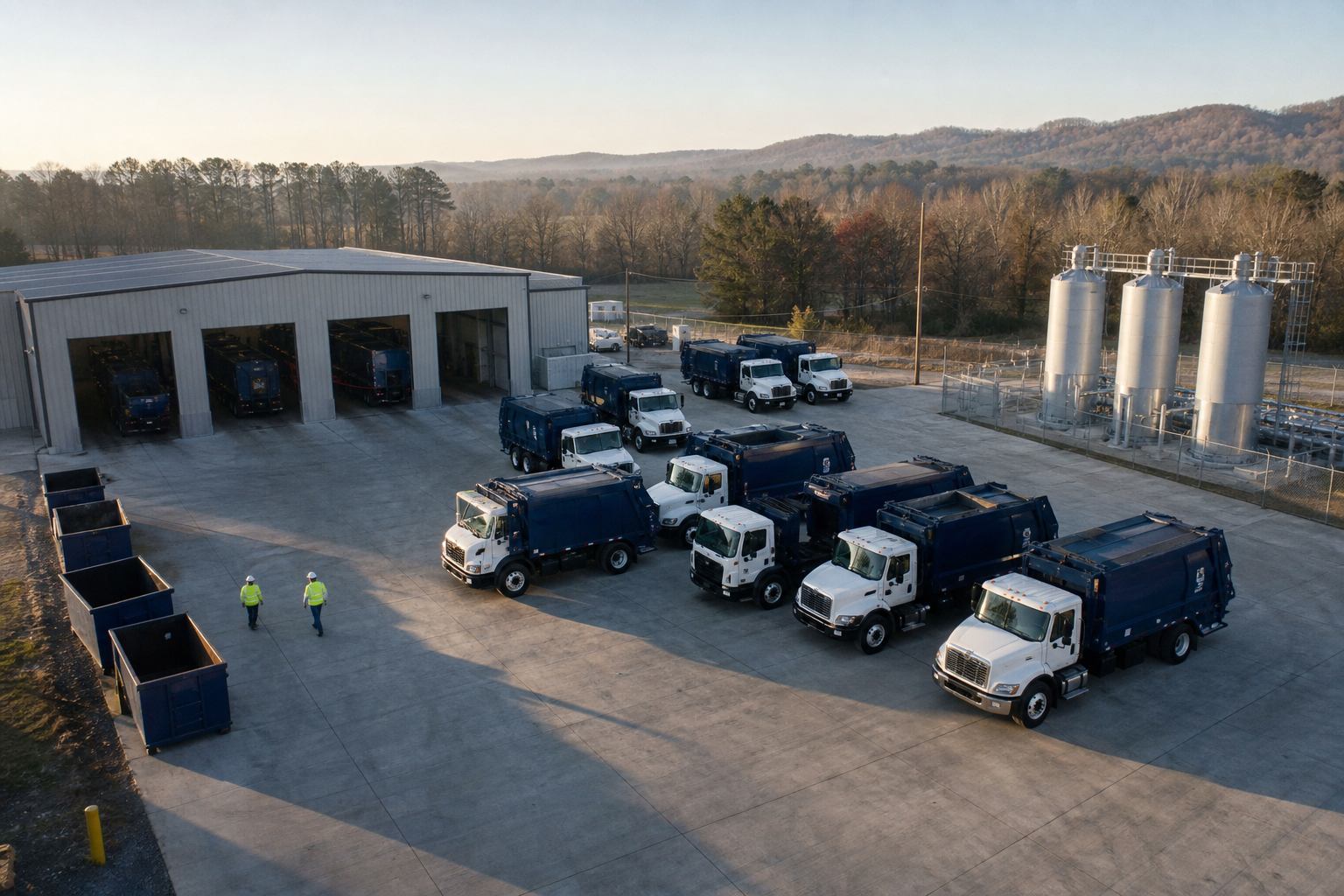
24/7 Command & Dispatch
Locate Jasper, TN HubEnter facility ZIP, ag vertical, and harvest volume for a fast-track commercial rate or official proposal letter from the Jasper, TN hub—typically within 24 hours.
Farming cooperatives, agricultural processors, and fertilizer plants generate organic byproducts, off-spec inputs, and packaging waste that do not fit a municipal dumpster program. Variety Waste Solutions contracts bulk collection with profiles that separate clean organics from regulated residuals.
Seasonal harvest peaks are planned from the Jasper, TN hub so extra roll-offs and vacuum boxes arrive before the crush, gin, or packing line overruns onsite storage.
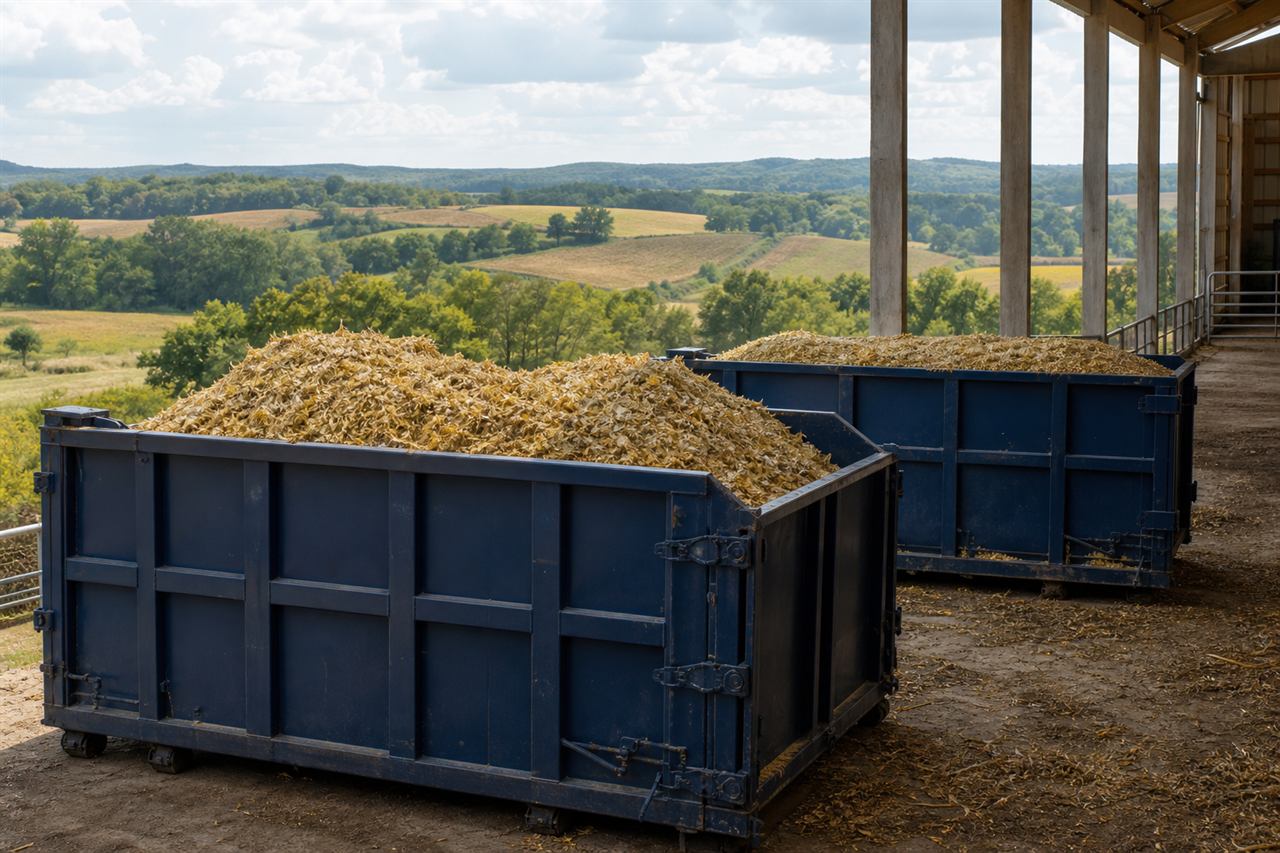
Ag programs are staffed and permitted for bulk organics, harvest overflow, fertilizer residuals, and a hard split so pesticide rinsate never rides in an organic open-top.
Co-op managers and plant superintendents can match open-tops, vacuum boxes, and rinsate totes to harvest peaks before extra iron is staged.
| Container Class | Dimensions / Capacity | Stream / Spec | Handling Guidelines |
|---|---|---|---|
| 30–40 Yard Open-Top | 30–40 yd³ | Non-hazardous organics / packaging | Harvest overflow and off-spec produce |
| 20–30 Yard Open-Top | 20–30 yd³ | Packaging and input returns | Member-farm shared programs; keep dry when possible |
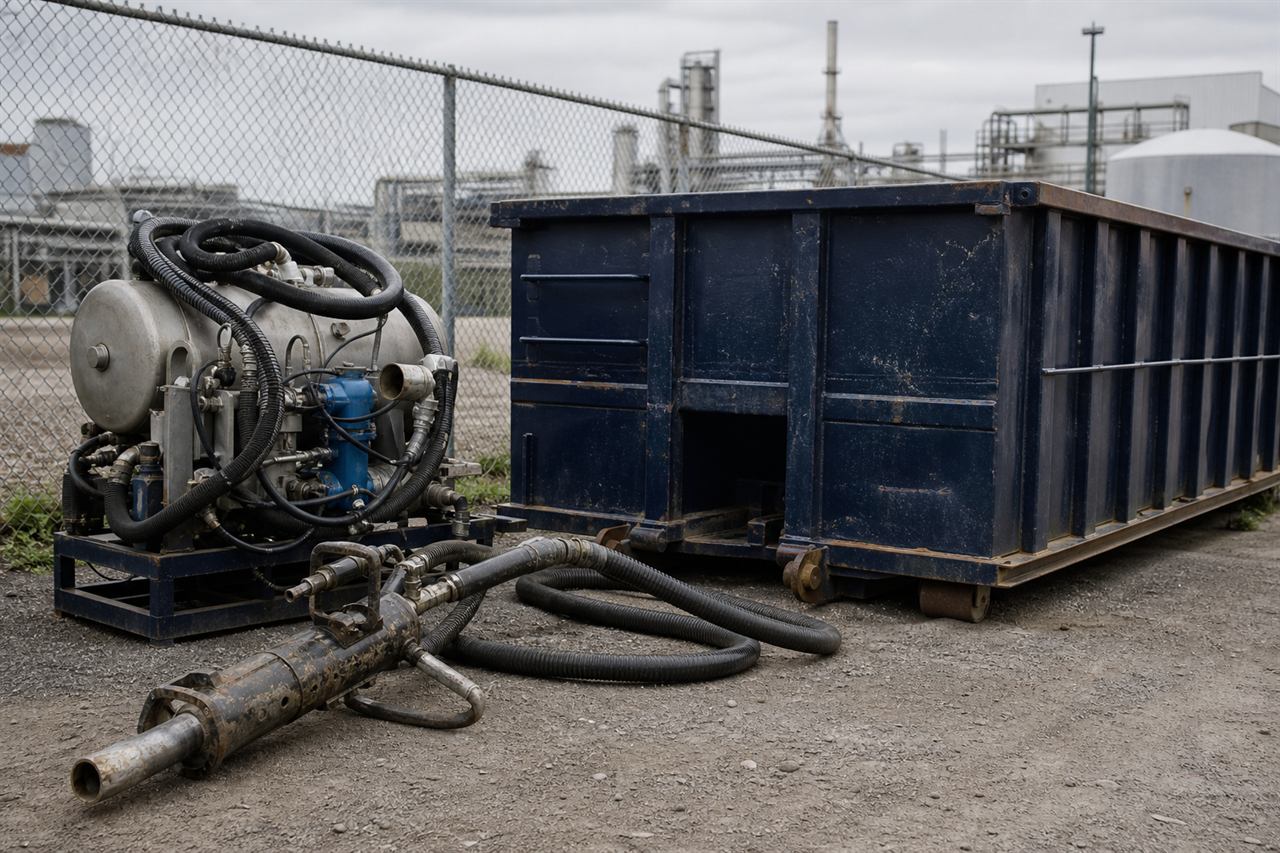
| Vacuum Box | 15–25 yd³ | Process slurries | Gasketed; no free discharge to soil |
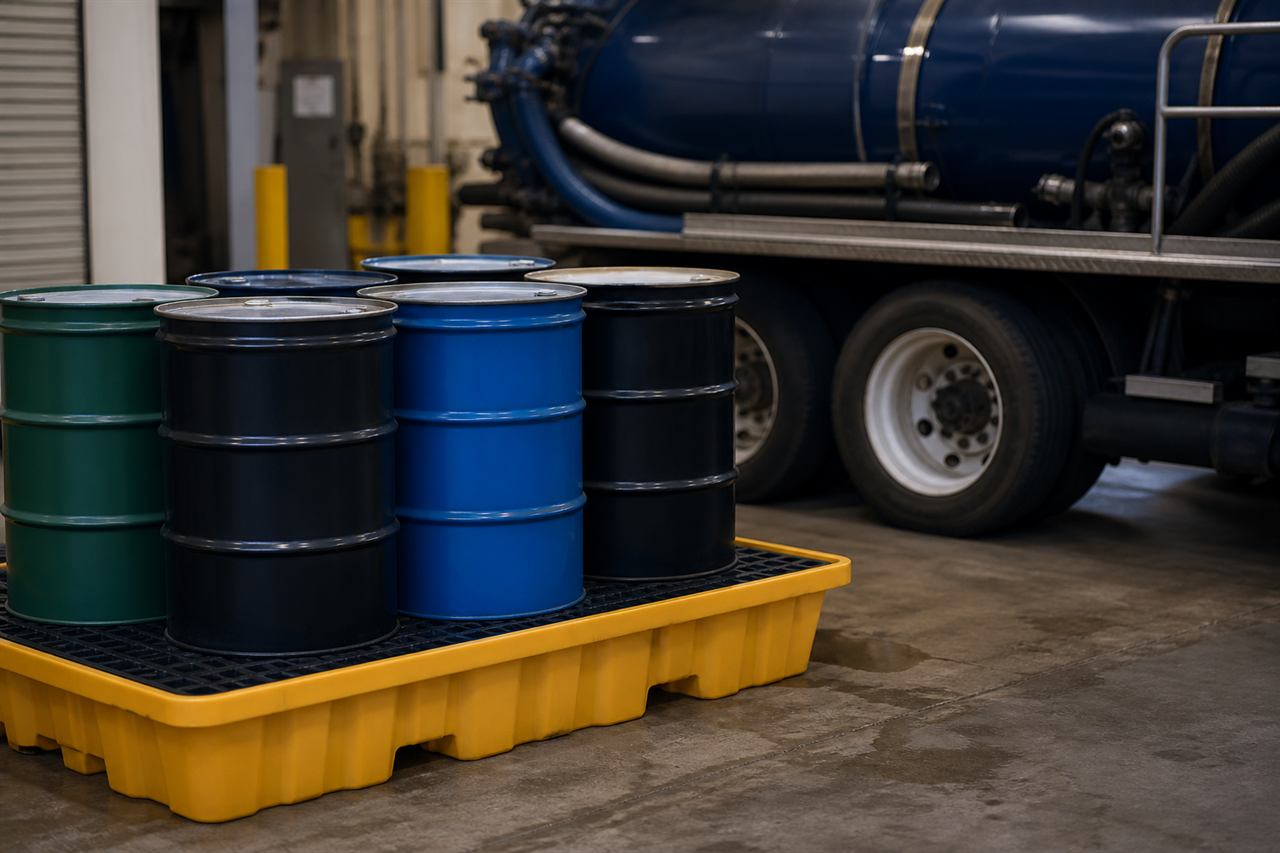
| Tote / Drum Program | 55–330 gal | Pesticide rinsate as profiled | Triple-rinse empty; residual labeled; never in organics |
| Fertilizer Residual Box | 20–30 yd³ | As profiled (may be regulated) | Keep dry; no stormwater contact |
| Beneficial-Use Organics | Per load | Clean organic byproducts | Analytical approval before composting or land application |
Ensure concrete pad, approach radius, and overhead clearance meet DOT and EHS safety standards before container delivery from our Jasper hub.
Proof points co-op managers and plant superintendents use to compare vendors—built around harvest peaks, organics splits, and rinsate isolation.
Identify organics versus regulated residuals before harvest or plant campaigns.
Stage open-tops, vacuum boxes, or totes on pads that protect soil and water.
Co-op and processor routes flex for peak weeks without abandoning base service.
Clean organics may go to composting or land application; regulated residuals go to permitted outlets.
4.9 — 847 reviews on Google
Variety Waste Solutions handled our drum program turnaround without a single manifest error. Their Jasper crew was on-site within hours of our RFP approval.
Official proposal letters arrived within 24 hours with complete COI attachments. Exactly what our contracting office needed for the standing debris contract.
Roll-off swaps stay on schedule and UST work is documented for our compliance file. Responsive dispatch when a store hits capacity before pickup day.
Installation hazmat hauling with cleared coordination and DRMO-ready manifests. Their team understands base access and PWS language on day one.
Grease trap and enclosure programs run cleanly across our locations. Health inspector documentation is organized and drivers know the dock protocols.
Yes. Extra 30 and 40-yard open-tops can be staged before peak weeks so packing lines do not stop.
Empty triple-rinsed containers and profiled rinsate move on a separate, labeled program-not in organic open-tops.
Clean organic byproducts may qualify for beneficial use after analytical approval; regulated residuals do not.
Off-spec fertilizer and bag-house dust are characterized before we select a landfill or reuse outlet.