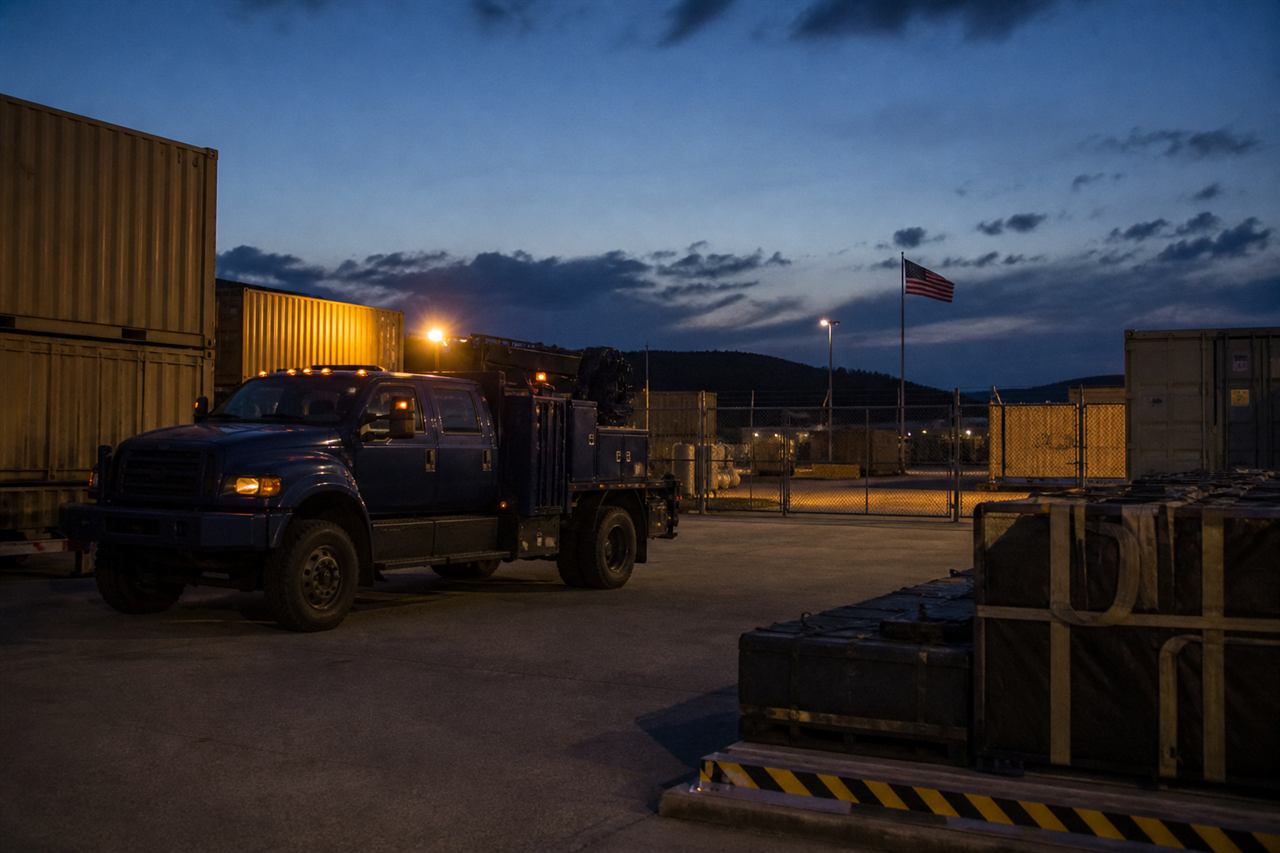
Vacuum tanker fleet
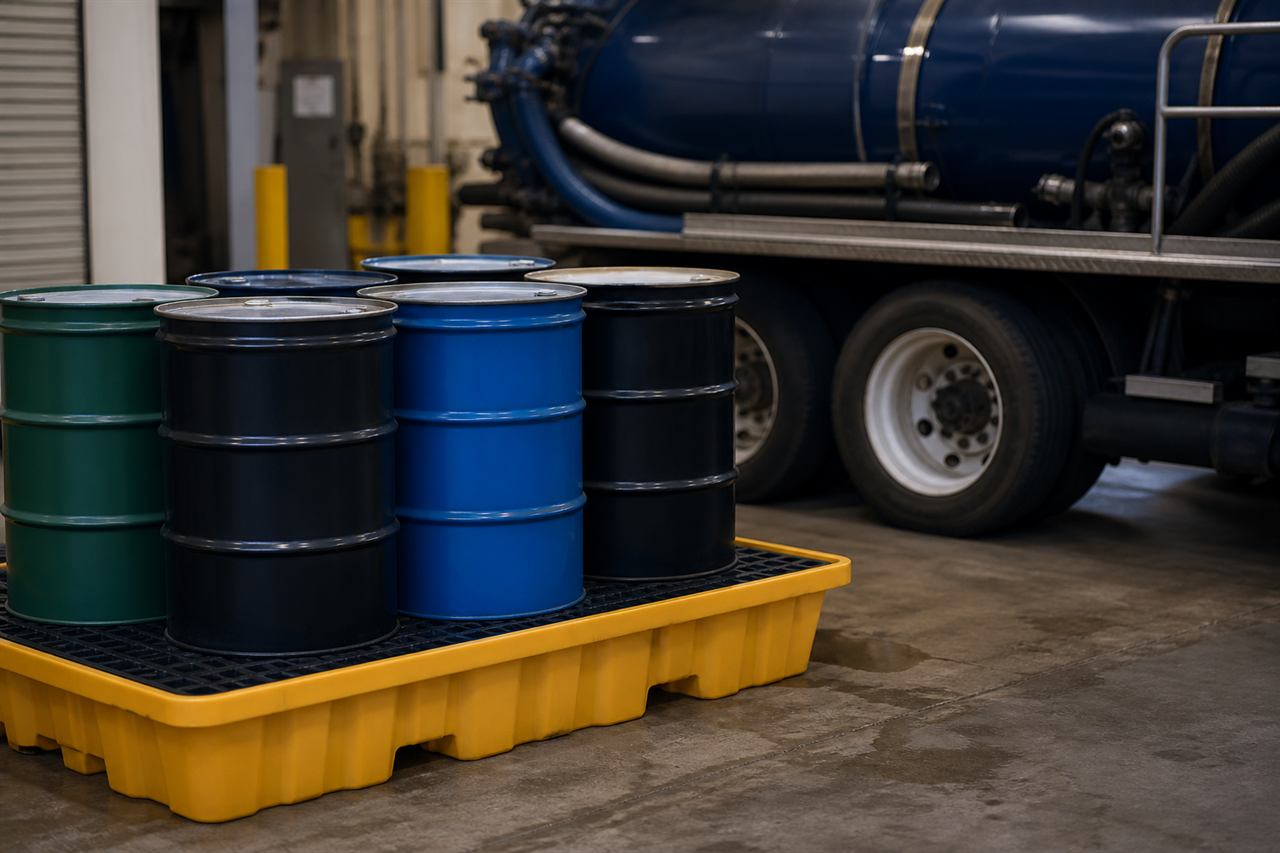
- 3,000–5,000 gallon vacuum tankers from Jasper
- Bonded loading and vapor control as required
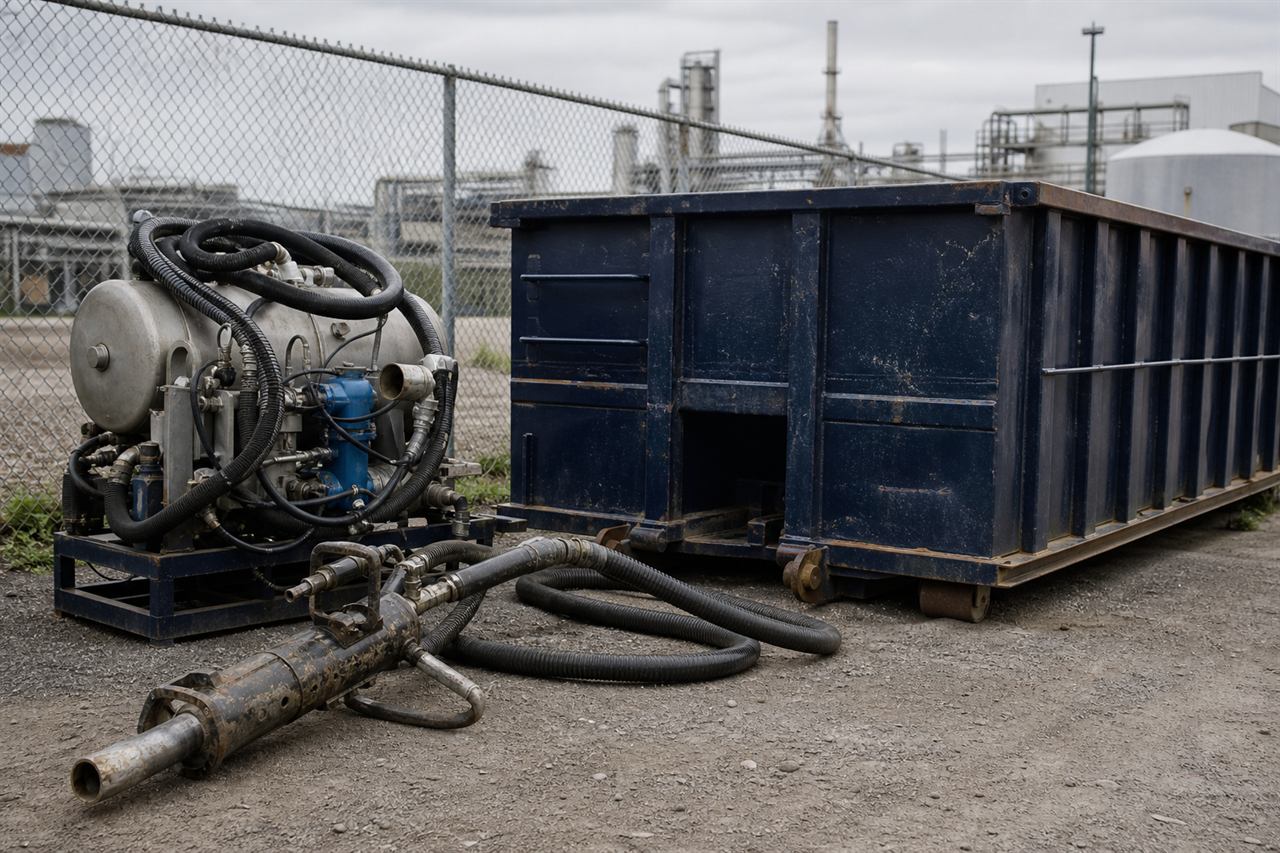
- Stainless vacuum boxes for tank-bottom sludges
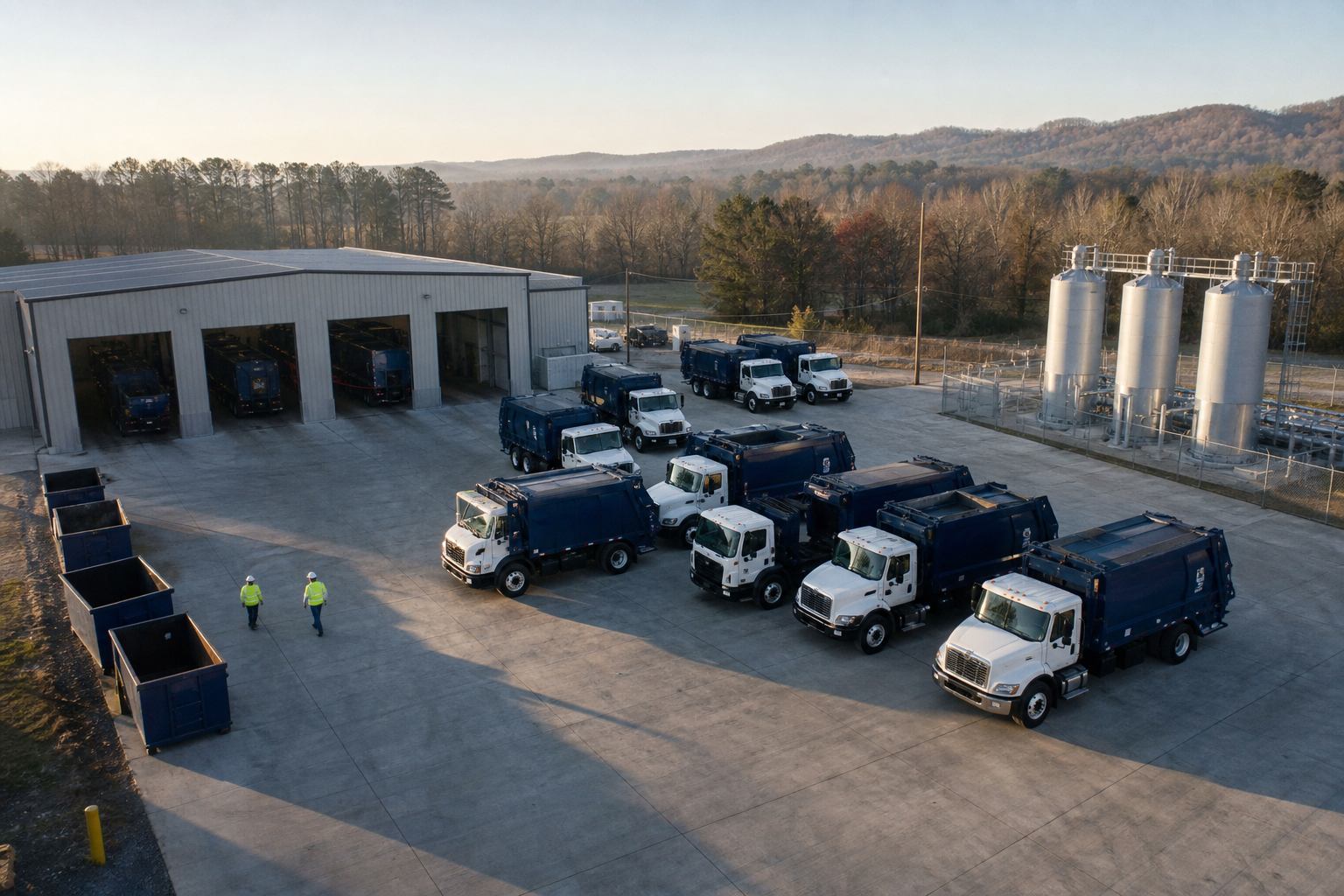
24/7 Command & Dispatch
Locate Jasper, TN HubEnter facility ZIP, plant vertical, and gallonage for a fast-track commercial rate or official proposal letter from the Jasper, TN hub—typically within 24 hours.
Refineries, automotive plants, and manufacturers generate waste fuel, oily water, and process wastewater that cannot enter a municipal sewer. Variety Waste Solutions dispatches vacuum tankers and coordinates treatment or saltwater injection at permitted outlets.
From Jasper, TN we profile BTU value, water cut, and chlorides so each load is routed to the correct recovery, wastewater, or disposal facility. After process-sewer or lift-station cleanout, recovered liquids and sludges are profiled and hauled on this program. Wash tickets and bills of lading close the EHS file after every lift.
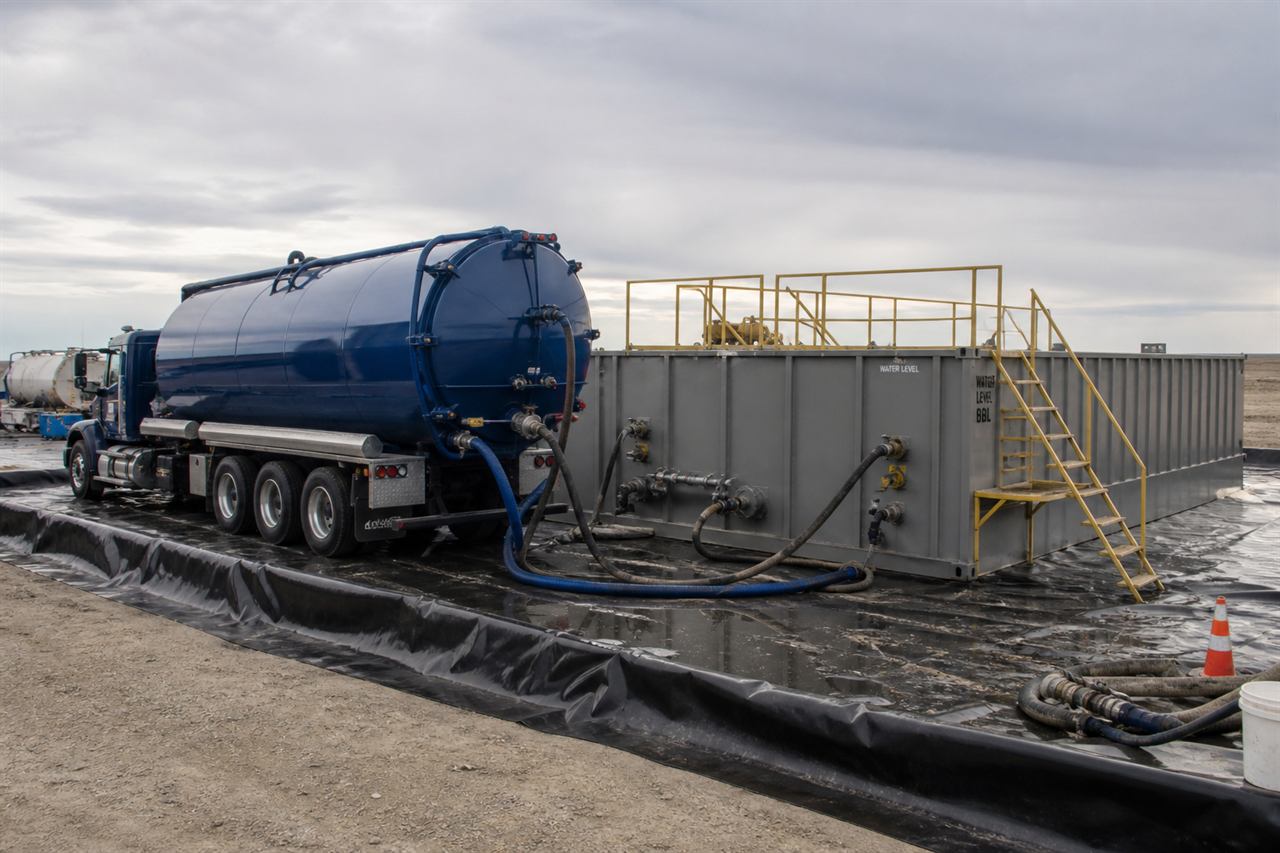
Fuel and wastewater programs are staffed and permitted for DOT tanker transport, industrial wastewater that fails POTW limits, waste-fuel recovery, and saltwater injection at permitted wells.
Plant managers can match tanker, vacuum-box, and frac-tank specs to flash point, water cut, and chlorides before the first load.
| Container Class | Dimensions / Capacity | Stream / Spec | Handling Guidelines |
|---|---|---|---|
| Vacuum Tanker | 3,000–5,000 gal | Combustible / oily water | Bonded loading; vapor control as required |
| Stainless Vacuum Box | 15–25 yd³ | Sludges / high solids | Gasketed; suitable for tank bottoms |
| Frac Tank (rental) | 18,000–21,000 gal | As profiled | Secondary containment berm recommended |
| Waste-Fuel Recovery Load | Per tanker | BTU-bearing fuels | Route to blending or energy recovery when profiled |
| Saltwater Disposal Ticket | Per barrel | Produced / process brine | Permitted SWD wells; no municipal discharge |
| Process Wastewater Tanker | 3,000–5,000 gal | Fails POTW limits | Offsite treatment; metals and chlorides on the profile |
Proof points plant and EHS managers use to compare vendors—built around vacuum iron, BTU recovery, and permitted SWD.
Sample for flash point, water cut, metals, and chlorides before the first load.
Set frac tanks or hook vacuum trucks with bonded connections.
DOT-compliant tankers move product to recovery, treatment, or SWD.
Facility receipts document barrels processed or injected. Recovered sewer and wet-well loads from cleanout work follow the same profiling and treatment path.
4.9 — 847 reviews on Google
Variety Waste Solutions handled our drum program turnaround without a single manifest error. Their Jasper crew was on-site within hours of our RFP approval.
Official proposal letters arrived within 24 hours with complete COI attachments. Exactly what our contracting office needed for the standing debris contract.
Roll-off swaps stay on schedule and UST work is documented for our compliance file. Responsive dispatch when a store hits capacity before pickup day.
Installation hazmat hauling with cleared coordination and DRMO-ready manifests. Their team understands base access and PWS language on day one.
Grease trap and enclosure programs run cleanly across our locations. Health inspector documentation is organized and drivers know the dock protocols.
When the profile supports it, loads are routed to fuel-blending or energy-recovery outlets instead of disposal.
Yes. Produced and process brines can be ticketed to permitted saltwater injection wells.
Typical vacuum tankers run 3,000 to 5,000 gallons; frac tanks can stage 18,000 to 21,000 gallons onsite.
Characterization is required so we do not send an incompatible stream to a treatment plant or SWD.